dunsborough and south west wa
Core Aeration Services
Relieve compaction, improve water uptake and deep root growth.
CORE AERATION
LETTING YOUR LAWN BREATHE
If you had to pick one "secret" treatment that separates golf courses from average backyards, it is aeration. Most homeowners mow and water, but they ignore the soil structure. Over time, the soil becomes the enemy.
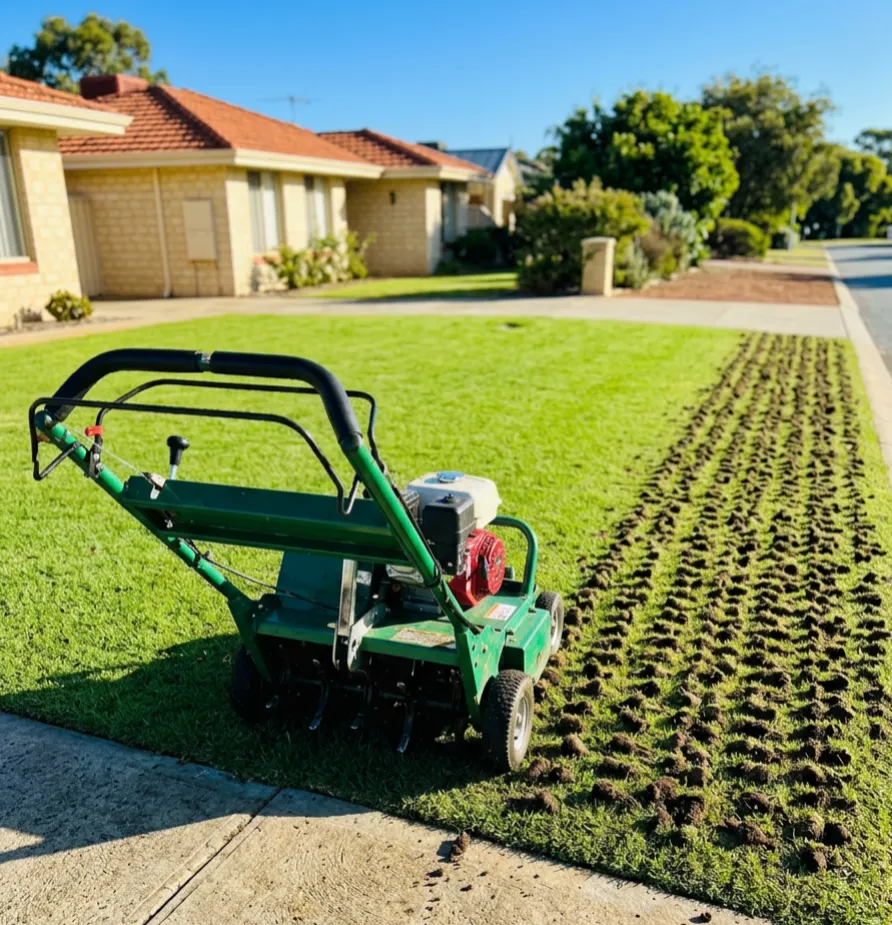
The Master Grass provides professional core aeration services in Dunsborough. We use specialised commercial machinery to mechanically open up your soil, allowing air, water, and nutrients to penetrate deep into the root zone. It is the most effective way to relieve compaction and rejuvenate a tired lawn without ripping it up.
THE PROBLEM & SOLUTION
The Problem - Compaction
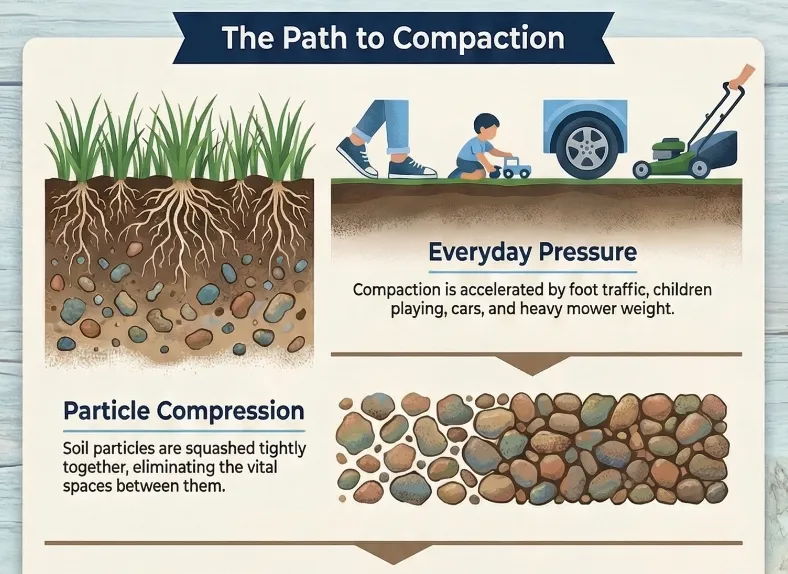
Soil compaction is a silent killer. It happens naturally over time, but it is accelerated by foot traffic, kids playing, cars parking, and even the weight of the mower.
When soil is compacted, the particles are squashed tightly together.
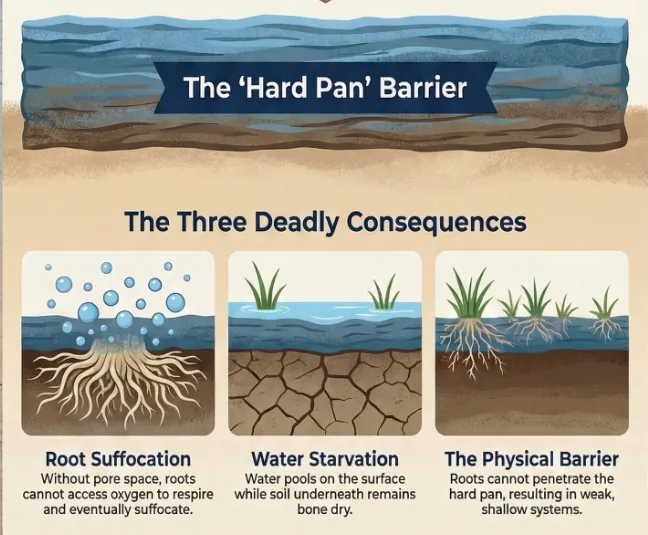
No Air:
Roots need oxygen to respire. In compacted soil, they suffocate.
No Water:
Water cannot infiltrate. It pools on the surface (creating moss and rot issues) or runs off into the drain. The soil 2cm down remains bone dry.
Physical Barrier:
Roots physically cannot push through the hard pan. They stay shallow. Shallow roots mean the lawn is weak and dries out the moment the sun comes out.
The Solution - Core Aeration vs Spike Aeration
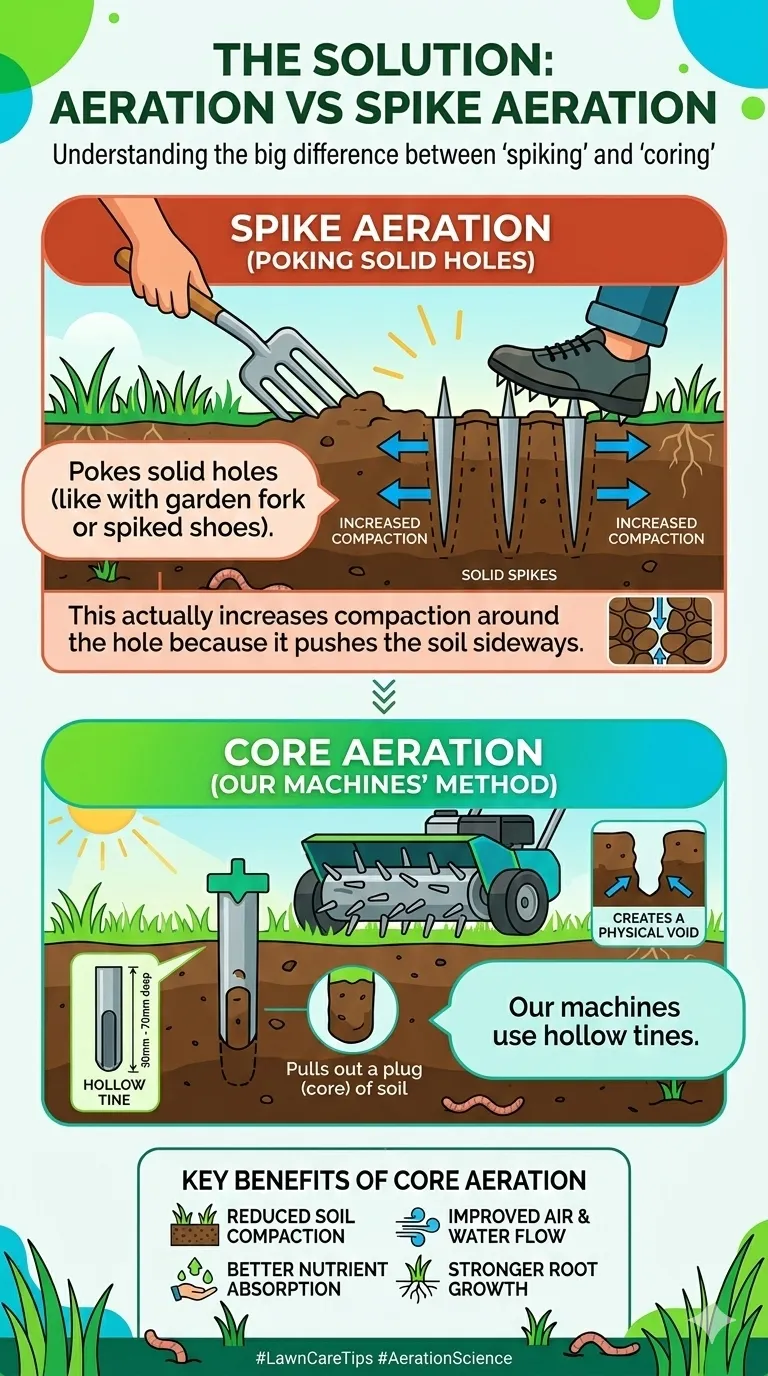
There is a big difference between "spiking" and "coring."
Spiking:
Poking solid holes (like with garden fork or spiked shoes). This actually increases compaction around the hole because it pushes the soil sideways.
Core Aeration:
Our machines use hollow tines. They punch into the ground and pull out a plug (core) of soil, 50mm-70mm deep.
By removing the core, we create a physical void. The soil around the hole relaxes and expands into this void. This reduces the bulk density of the soil across the entire lawn.
THE BENEFITS OF CORE AERATION
Deep Root Growth
Roots follow the path of least resistance. They dive down the aeration holes. This creates a deeper, more robust root system that can access deep moisture. A deep-rooted lawn is a drought-tolerant lawn.
Thatch Control
Thatch is the spongy layer of dead material. Aeration punches through the thatch, breaking it up and introducing soil microbes that naturally decompose it.
Improved Fertiliser Efficiency
Instead of fertiliser sitting on the surface and washing away, it falls down the holes directly to the root zone. You get more bang for your buck.
Water Savings
Because water soaks in rather than running off, you waste less. Your lawn stays greener with less irrigation.
WHEN SHOULD YOU AERATE?
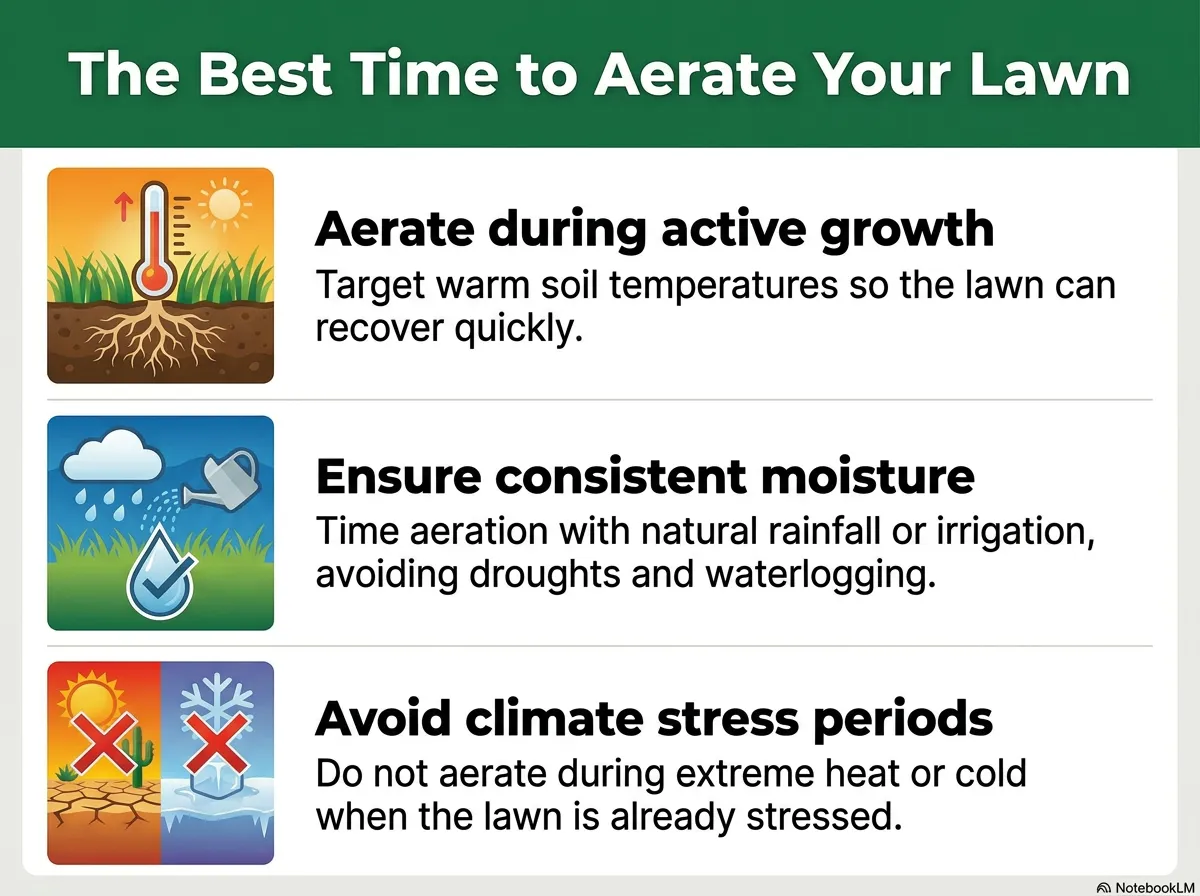
Timing matters. We only aerate when the lawn is growing, so it can heal the holes quickly.
Spring (Sept-Nov): The best time. It opens the lawn up after winter compaction and prepares it for the summer heat.
Autumn (Mar-May): excellent for relieving summer traffic stress and preparing the roots for winter.
We avoid aeration in the middle of winter (lawn is dormant) or the absolute peak of a heatwave (too much stress).
OUR PROCESS
1. Site Check
We ask you to mark any sprinkler heads, valve boxes, or shallow cables. The machine is heavy and the tines are steel; they will break plastic sprinklers.
2. The Machine
We run a commercial self-propelled aerator over the entire lawn. We overlap passes to ensuring high density of holes (approx. 50-100 holes per square metre).
3. The Cores
The machine leaves thousands of soil plugs on the surface.
* Option A (Leave them):
They will break down in 2-3 weeks with mowing and watering. This recycles the soil and organic matter.
* Option B (Remove them):
We can rake or mow them up for a cleaner instant finish (usually recommended for show lawns or before top dressing).
4. Clean Up
We blow down all paths and driveways.
COMBINING SERVICES
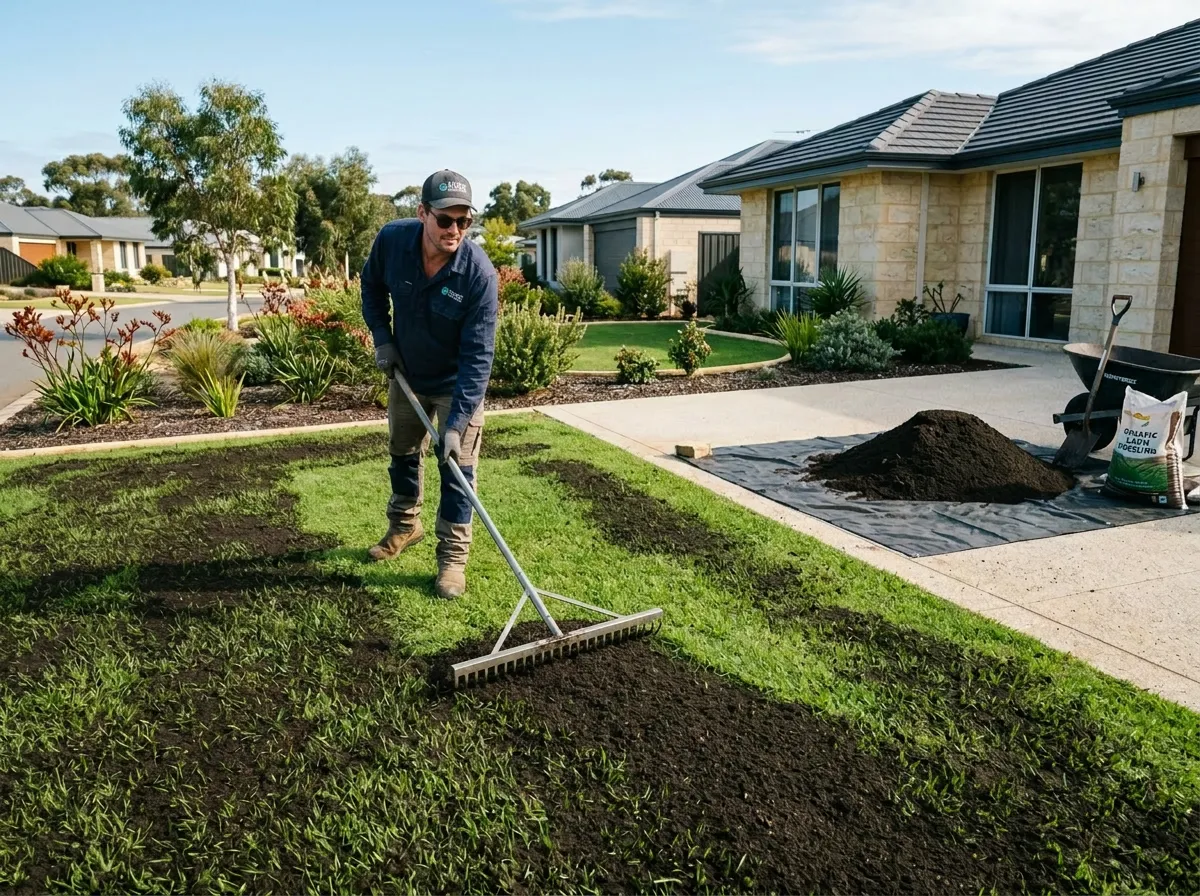
Aeration is rarely done alone. It is the perfect precursor to:
Top Dressing:
The sand falls into the holes, creating permanent drainage channels.
Fertilising:
Getting the food straight to the roots.
Wetting Agents:
Getting the chemistry deep into the soil profile.
OTHER SERVICES

Paving
Installation
Verti-Mowing
Scarifying

Garden Bed
Installation

Lawn
Mowing
FAQ'S
My lawn is really hard, will the machine work?
Yes, but we might ask you to water the lawn heavily the day before. The soil needs a little moisture to allow the tines to penetrate. If it’s bone dry, the tines might bounce.
Does it look messy?
For a week or two, yes. It looks like you have goose droppings (soil plugs) on the lawn. But the rapid green-up that follows is worth it.
How often should I do it?
For high-traffic family lawns or heavy soils: Once a year. For decorative lawns: Every 2 years.

Areas We Serve
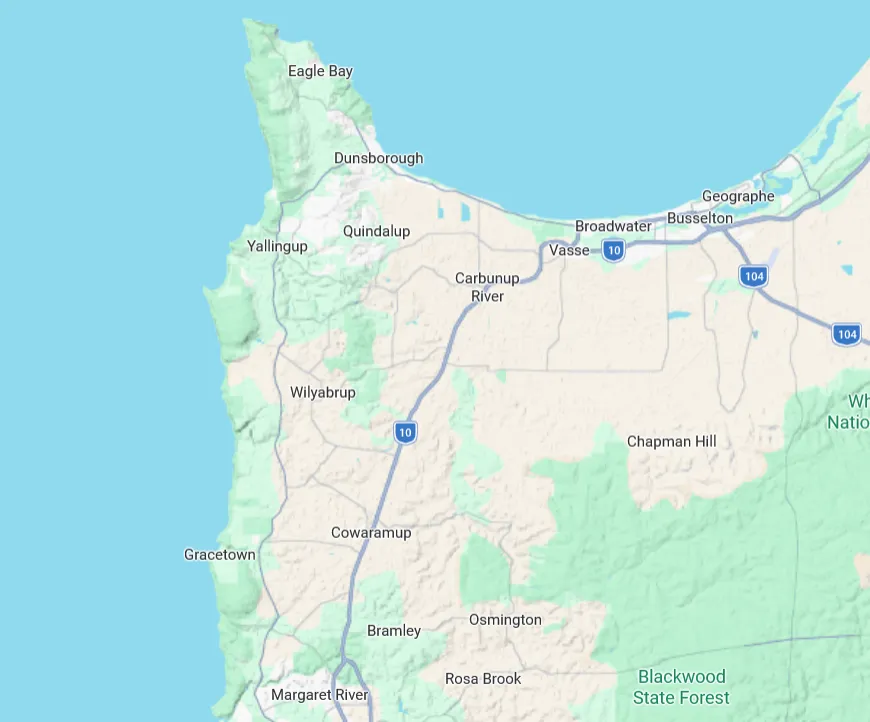
We operate from Dunsborough and work across the South West—Busselton through to Margaret River, including Yallingup and Cowaramup. If you're outside that core (Dunsborough East, Siesta Park, Metricup), send your location and we'll check the drive.
Service Areas
Dunsborough
Busselton
Margaret River
Yallingup
Cowaramup
Ready To BRING LIFE BACK TO YOUR LAWN?


LANDSCAPING
SERVICES
MAINTENANCE
COMPANY
© Copyright 2026. The Master Grass. All Rights Reserved.